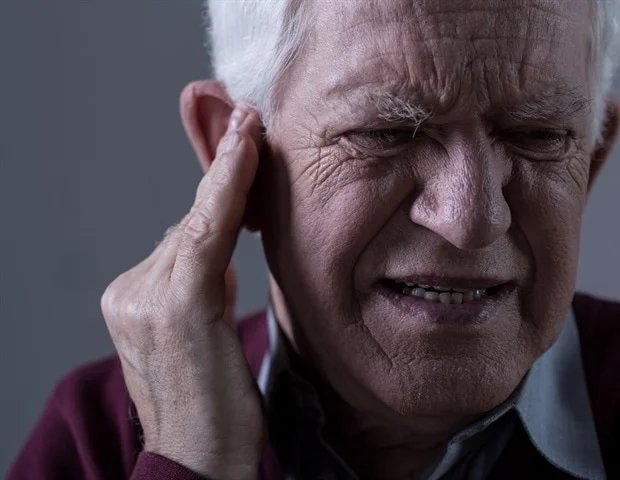
Recent research has revealed the profound impact of tinnitus on individuals‘ work lives, with nearly one in five adults reporting that the condition has forced them to reduce their working hours or leave their jobs altogether. Published in the journal Brain Sciences, this study, led by researchers from Anglia Ruskin University (ARU) in collaboration with the University of Colorado and Linkoping University, explores how tinnitus influences work performance and overall job satisfaction.
Tinnitus is characterized by the perception of ringing, buzzing, or hissing sounds without any external noise sources and is estimated to affect around 15% of the population. The symptoms can range from mild distractions to significant fatigue and stress. While some individuals manage their tinnitus effectively, for others, it leads to severe difficulties, particularly in workplace productivity.
The study analyzed responses from 449 adults suffering from tinnitus, revealing that 7% had completely stopped working due to the condition, while 11% had opted to reduce their hours. Participants reported a variety of workplace challenges, including difficulties in concentration, decreased productivity, and communication issues during meetings. Additionally, many experienced increased fatigue, slower task completion, and a heightened rate of errors.
Beyond the direct effects of tinnitus, participants noted indirect consequences such as anxiety, sleep disturbances, frustration, and withdrawal from social interactions, all of which contributed to lower job satisfaction and performance levels. Despite some finding ways to adapt—like employing coping strategies or altering their job roles—72% of respondents acknowledged how tinnitus complicated their work life.
A noteworthy finding from the research indicates that completing an internet-based cognitive behavioral therapy (ICBT) program led to significant improvements in work productivity. Post-intervention, fewer participants reported needing shorter working hours, and many experienced a measurable reduction in tinnitus-related distress, anxiety, depression, and insomnia. Qualitative feedback suggested that individuals felt better equipped to manage their work responsibilities after the treatment.
Lead author Dr. Eldre Beukes, an associate professor of audiology at ARU in Cambridge, emphasized the importance of recognizing tinnitus as a serious barrier to maintaining stable employment and workplace well-being, often occurring alongside hearing loss, anxiety, or sleep disorders. “These implications highlight the need for employers and policymakers to acknowledge tinnitus as a condition that can impede productivity and may require appropriate adjustments in the workplace,” he stated. “Policies promoting flexible working arrangements, access to hearing-related technologies, and heightened awareness among managers could facilitate better workplace integration for affected individuals.”
Though the findings are preliminary and further research, including control groups, is needed to confirm the effects, the evidence suggests that targeted interventions for tinnitus may help individuals remain effective and engaged in their jobs. Timely support not only aids the individuals affected but could also mitigate the broader economic ramifications associated with reduced work capacity.
The study underscores the necessity of addressing tinnitus in workplace settings. With nearly eight million adults in the UK affected by tinnitus, the hidden costs are substantial, adding to the annual £750 million burden on the NHS for managing the condition itself.
Tinnitus UK is committed to assisting employers in creating welcoming, productive environments that provide support for those with tinnitus. Ensuring access to treatment and resources can foster a happier, healthier workforce capable of working longer and more effectively.
Alex Brooks-Johnson, CEO of Tinnitus UK
Reference: Beukes, E., et al. (2026). Investigating the impact of tinnitus on work productivity. Brain Sciences. DOI: 10.3390/brainsci16020150. https://www.mdpi.com/2076-3425/16/2/150