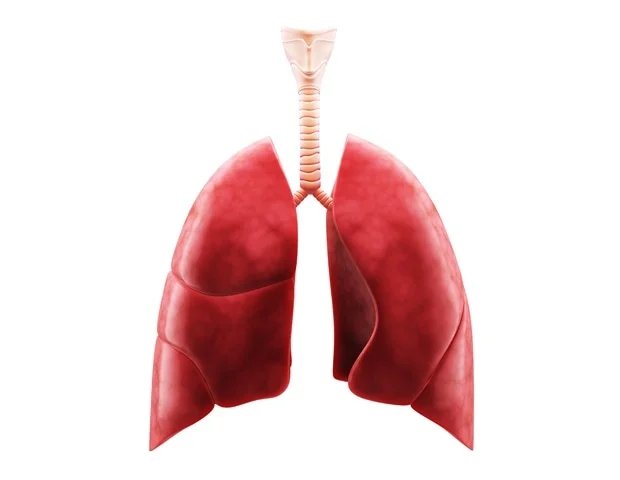
In recent findings from researchers at Washington University School of Medicine in St. Louis, a significant discovery has been made regarding chronic organ rejection post-transplantation, which may hold implications for understanding biological systems relevant to hearing health and potential treatments for ear-related conditions. This chronic rejection, which can manifest a decade or more following heart or lung transplants, was traditionally attributed to the recipient’s immune system attacking the foreign organ over time.
However, the study, published on February 25 in *Scientific Translational Medicine*, suggests that this phenomenon may instead be triggered by disruptions in the lymphatic system of the donor organ, an essential drainage system throughout the body. By analyzing transplanted human organs with chronic rejection and utilizing mouse models for lung and heart transplants, the researchers identified a connection between impaired lymphatic drainage and a pathogenesis leading to a harmful process known as fibrosis—whereby scar tissue gradually replaces healthy tissue in the transplanted organ.
The researchers found that addressing the accumulation of sugar molecules commonly drained through the lymphatic pathways in transplant organs, or restoring lymphatic drainage promptly post-transplantation, could potentially prevent fibrosis before it begins. This finding is critical, given that ongoing immune suppression is required to counteract organ rejection, yet many patients still develop chronic rejection years later.
Lead author Dr. Daniel Kreisel, who holds the G. Alexander Patterson, MD/Mid-America Transplant Endowed Distinguished Chair in Lung Transplantation at WashU Medicine, emphasized the importance of this study. „We currently lack effective treatments for chronic organ rejection aside from re-transplantation, which many patients may not be eligible for,“ he stated. „This revelation unveils a previously unknown cause of chronic rejection that is independent of the immune response to foreign tissue, suggesting it is potentially treatable.“
When organs are transplanted, surgeons often do not reconnect the lymphatic vessels because these are not easily visible, even under magnification. This oversight results in a temporary impairment of lymphatic function, which has now been shown to contribute to long-term damage to the organ. „Even when these vessels regenerate, the two- to three-week period of dysfunction poses a critical window that can have enduring detrimental effects,“ noted Dr. Hailey Shepherd, co-investigator and assistant professor in the Department of Surgery.
In their quest to understand chronic rejection, Shepherd utilized WashU Medicine’s biorepository of human organ samples from patients who exhibited chronic rejection patterns and later received a secondary transplant. Among her findings was a correlation between the areas of fibrosis and the lymphatic system, indicating that a harmful build-up of the sugar molecule hyaluronan was facilitated by the inadequate drainage caused by the damaged lymphatic vessels.
The team identified three strategic interventions in mouse models aimed at enhancing lymphatic vessel function and preventing the accumulation of hyaluronan. These strategies included blocking the protein responsible for hyaluronan production, stimulating the growth of new lymphatic vessels, and inhibiting the signaling pathways that promote hyaluronan synthesis. The results were significant, with treated transplant organs appearing indistinguishable from healthy, non-transplanted organs.
Although this study specifically examined lung and heart transplants, the universal presence of lymphatic vessels across all organs raises the possibility that blocked lymphatic drainage could play a role in similar chronic conditions seen in various medical scenarios, including those pertinent to hearing health. Strategic treatments that enhance lymphatic drainage might also be beneficial within the audiology field, revealing new pathways to address conditions linked to fluid retention and tissue health in the ear.
Dr. Kreisel concluded, “While the study has highlighted the need for continued research, it presents a promising opportunity to integrate these findings into clinical settings, potentially improving outcomes for transplant patients and those facing hearing health challenges.”