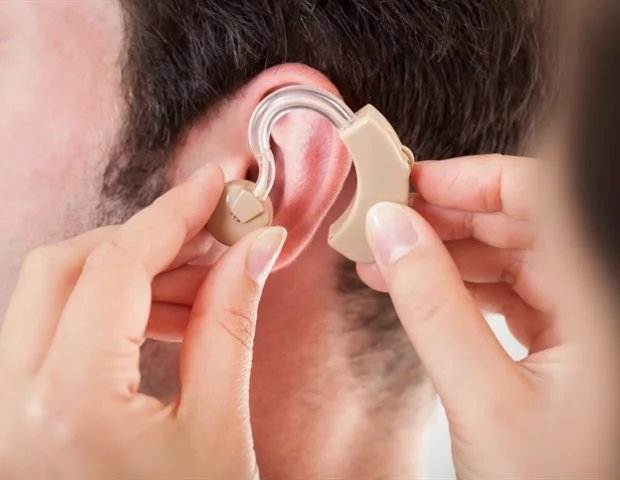
A recent retrospective cohort study examining the impact of Minnesota’s first mandatory universal newborn screening for congenital cytomegalovirus (cCMV) reveals that this initiative significantly reduced the age at which infants saw an audiologist and improved the detection of mild hearing loss in babies. The findings, published in Otolaryngology – Head and Neck Surgery, a peer-reviewed journal from the American Academy of Otolaryngology – Head and Neck Surgery Foundation (AAO-HNSF), add to the growing body of evidence supporting universal cCMV screening programs as crucial public health tools.
Congenital cytomegalovirus is the most common infectious cause of birth defects and the leading non-genetic cause of hearing loss in infants, affecting approximately 1 in 200 newborns. Hearing loss related to cCMV can be progressive, with over 55% of both symptomatic and asymptomatic children developing hearing impairment after the newborn period. Early detection through universal screening is essential, as antiviral treatment is most effective when initiated within the first month of life.
“Our experience in Minnesota demonstrates that universal cCMV screening enhances our ability to detect mild hearing loss early in life, potentially improving the lives of children diagnosed with the condition. We hope our findings will serve as a guide for policymakers in other states as we continue to learn more about cCMV and effective detection and treatment methods,” said Andrew J. Redmann, MD, Assistant Professor, Department of Otolaryngology – Head and Neck Surgery, University of Minnesota Medical School and Children’s Minnesota.
Between 2021 and 2024, researchers evaluated 132 patients diagnosed with cCMV at Children’s Minnesota, contrasting outcomes before and after the implementation of universal screening. Key insights from the study include:
- Quicker Audiological Assessment: Infants were evaluated by audiology significantly earlier, averaging about 25 days after the mandated screening, compared to approximately 8.5 months prior to the screening’s launch.
- Increased Detection of Mild Hearing Loss: The mandated screening identified four times more cases of mild hearing loss compared to the previous year, while the number of diagnoses for severe hearing loss remained stable.
- Notable Rise in cCMV Diagnoses: Diagnoses of cCMV surged from roughly three annually before 2022 to 61 per year following the introduction of universal screening.
- Reduced Need for Interventions: Although a similar number of infants required treatments such as antiviral medications or hearing aids, these cases represented a smaller proportion of all positive screenings, suggesting that a larger population of milder, previously unidentified cases is now being recognized.
Advocacy and Legislative Efforts for cCMV Screening
The results come at a critical time as the AAO-HNS continues to advocate for cCMV screening as a top legislative priority at both federal and state levels.
“The evidence from Minnesota’s landmark program—and studies nationwide—overwhelmingly supports universal screening,” stated Rahul K. Shah, MD, MBA, Executive Vice President and CEO of AAO-HNS/F. “As physicians specializing in the diagnosis and treatment of hearing issues, we understand that early detection through screening is vital for timely intervention and the long-term developmental success of children.”
Federal Advocacy: The Stop CMV Act
The Stop CMV Act (HR 5435/S. 2842) was successfully reintroduced in the first session of the 119th Congress by U.S. Representatives Mike Lawler (R-NY), Greg Landsman (D-OH), and Deborah Ross (D-NC) alongside U.S. Senators Richard Blumenthal (D-CT), Roger Marshall, MD (R-KS), and Mark Kelly (D-AZ), thanks to the efforts of AAO-HNS in collaboration with other key allies and medical societies. This vital legislation would authorize federal funding for cCMV screening programs aimed at improving early detection and intervention for hearing loss in infants.
State-Level Momentum in 2026
The advocacy efforts of the Academy are gaining traction nationwide:
New York: The Academy submitted a letter to the New York State Legislature expressing strong support for Assembly Bills A.3956 and A.3074, which propose implementing universal newborn cCMV screening and mandate reporting of positive results to ensure timely referrals and coordinated follow-up care.
Oregon: Carol MacArthur, MD, a pediatric otolaryngologist at Oregon Health & Science University, testified on behalf of AAO-HNS regarding rules for implementing the state’s targeted cCMV screening program. Dr. MacArthur urged the Oregon Health Authority (OHA) to include otolaryngology as the first intervention for infants diagnosed with cCMV, emphasizing telehealth’s role in reaching rural and underserved families. The OHA issued final rules on December 31.
Vermont: AAO-HNS submitted a letter to the Vermont House Committee on Human Services advocating for H.533, legislation that would require the Health Department to include cCMV in its newborn screening panel, educate expectant parents and healthcare providers, and establish a multidisciplinary advisory committee for coordinated, evidence-based implementation.
Massachusetts: The Academy provided a statement in support of H. 4367, which would mandate universal cCMV screening for all newborns, establish a statewide public education program, and appoint an advisory committee to oversee the implementation and ensure equitable access.
Looking Ahead: Several other states, including Michigan, Illinois, and Vermont, are expected to soon advance proposals for cCMV screening.